So, it
was Nutrition and Hydration Week back in March (16th to 22nd)
and we were proud to help in raising nutrition and hydration awareness
worldwide.

Nutrition & Hydration week
INFO: The campaign’s mission is to create a global
movement that will reinforce and focus energy, activity and engagement on
nutrition and hydration as an important part of quality care, experience and
safety improvement in health and social care settings.
Nutrition
and Hydration Week is a collaboration between the Hospital Caterers Association,
the National Association of Care Catering and the Patient Safety Domain NHS
England.
Here is their story so far this year:
You can find
more info and still make a pledge of support here if you’re interested: nutritionandhydrationweek
Our
pledge of support to nutrition and hydration week was to focus on sharing info on
hydration (as no nonsense nutrition is on the cards for us most the time). We are
going to do this in a two-parter, this week focusing on how to hydrate –
especially as the humidity is ramping up and the Great British summertime seems
to be approaching, it’s good to get some ideas on how to keep ourselves, our
friends and families refreshed and hydrated during this time. Next week we will focus more on the benefits
of good hydration – why we need to drink water, its health benefits vs the
consequences if we don’t have enough.

QUESTION: Do you realise we should be drinking to prevent the
feeling of thirst, rather than waiting to feel thirsty as a cue to drink?
QUESTION: Did you know approx 2 out of 3 times you feel hunger
it’s actually just feeling thirsty and the signals getting a bit confused?
QUESTION: Did you know by the time we feel thirsty we’re probably
already about 2-3% dehydrated? I know
2-3% doesn’t sound much, but studies show even this small amount can have a big
impact on our energy levels. Now take
that into account if you’re exercising… If you reach 5% dehydration there is a
noticeable reduction in performance and aerobic capacity of up to 30% - you
will definitely feel that difference.
QUESTION: So how do we stay hydrated – how much should we be
drinking each day?
ANSWERS:

On
average in the UK it’s recommended we aim for 6-8 glasses of water per day –
that’s about 1.5-2 litres. Of
course, this should be increased if we are exercising/sweating, as we will be
losing fluids.
Remember
it doesn’t have to be just water in those 6-8 glasses a day - although that is
the simplest and most of the time the best option. I know some people just don’t like water and
will drink anything but, so here’s a little list of other good sources of
hydration:

If you don’t drink water because you don’t like the taste, how
about giving it a different flavour? You
can do this by adding
fruits/vegetables/herbs. For example
add mint, or a squeeze of lemon to refresh.
Add cucumber to a jug of cold water and let it rest a while before
drinking – you will find the water delicately flavoured and refreshing. How about adding fruits – summer fruits for
example, or berries – again the flavours will spread if you leave it for just a
while before drinking, so how about getting a jug and leaving it in the fridge?

Experimenting with temperature
is also a good trick. You might not
enjoy ice cold water, but at room temperature it goes down well. Or vice versa – warm or room temp water is no
good for me, straight from the fridge, not the tap is the way to go in my
house. You can always boil water and
drink it plain too – or add a few slices of lemon for a great cleansing and
refreshing alternative to tea/coffee.

How about soda water,
carbonated water, fizzy water, sparkling water?
 YOU COULD INVEST IN A SODA STREAM AND JUST
ADD THE BUBBLES YOURSELF!! If you grew up in the 70's/80’s this is probably your
best option - Get busy with the fizzy!
And how about
mixing that with some squash or cordial? Low sugar varieties are probably best so you
don’t rot your teeth and the smaller amount the better. In a pint glass I’d say less than one finger
squash, the rest water – still or sparkling.

Juice – fruit/veg juice is a great option.
Remember if you’re not making it yourself, then on purchasing go for the
fresh, not from concentrate
varieties (one glass will also count
towards your 7 a day fruit and veg intake, if you drink more than one glass it
doesn’t count as 2, 3 or 4 of your quota though, so stick to just one a day and
you’ll be grand). Fresh juices are a bit
more expensive, but most supermarkets have deals on own brand versions so it won’t break the bank.
PS – how about
mixing soda water with fresh juice
instead of cordial/squash? Seriously
it’s really refreshing. Don’t do it in
the blender, but simply in the glass (using the supermarket fresh juice, or one
you’ve made). In a pint glass just use
about 1 fingers worth of the flavour (as you would with squash/cordial) and top
up with water – still or sparkling. Less
sugar, more water = better hydration, less tooth rot.
Of course you
can always make your own juice –
although I know it’s a lot of time and effort and let’s be honest – it’s a lot
of washing up. There is so much talk
about juicing these days – no nonsense nutrition says whether you think juicing
is good or bad – sometimes it’s just too much effort.
Smoothies as an
alternative to juices we are on board with though! Get a blender – it doesn’t have to be snazzy
(we use a £9.99 Argos own brand and it does the job!). Blend up your own fruits and veggies, add
water to get it going and make yourself a no nonsense thirst quenching,
hydrating drink.

There are so many options on what you could use, we recommend more veg
than fruit, but while you get used to making smoothies you will probably use more
fruit than veg because it’s sweeter.
Concentrating on hydration we recommend choosing and using
fruits/veggies that have a high water content – eg cucumbers, melon varieties,
juicy apples, berries, celery perhaps…. The combinations are endless, so try and
try and blend away until you find something you like.
 Prepping for smoothies is also a great time saver, you can get all your ingredients together, bag it up and freeze it until you want to use it. Just pop the contents into your blender each morning or whenever you're ready - you can always add a little more cold water to get it going and to add even more hydration to the mixture!
Tea – good old
builders tea is just great, we love
a good cuppa, but it does contain caffeine which counter acts the hydration, so
decaf would be a better option (same goes for coffee). With tea though,
you could try green teas as they
contain less caffeine per cup, or decaf
green teas. How about fruit teas / herbal teas? There are so many brands and flavours, I’m
sure you can find one you like. As long
as it doesn’t contain any caffeine it can be included in your 6-8 a day.
Check these
very simple and refreshing ideas out to make your own ICE TEAS: foodmatters - healing iced teas
Milk/milk alternatives. In our
opinion, you can count milk as hydrating – only one glass per day though will
count so if you drink more it won’t go towards your quota. If you are lactose intolerant and use
alternatives such as hemp, almond or rice milk, this counts too. Most alternatives are fortified with the
calcium and vitamins you will also find in dairy versions, so you can class one
glass of the white stuff in your daily dairy quota too. PS McDonalds milkshake doesn’t count by the
way, nor does any other “shake” shop or restaurant bought.

The other you
can do is add ICE. As summer approaches we all enjoy drinks a
little chilled, so adding ice cubes to something with a little flavour may
water it down without you noticing, adding water, adding hydration. You could also make flavoured ice cubes,
perhaps with a little mint, cucumber, lemon juice…. To add some zest to your
sparkling water.

How about ice lollies? 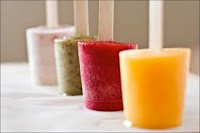 Again
as the summer is here/approaching(?) an ice lolly in the garden can be very
hydrating and refreshing, BUT again we recommend making them yourself in the
same way you do with the ice cubes – you can do adult ones with fresh mint
leaves, berries, lemon or with frozen herbal teas. For the kiddies adding fresh fruit juice
mixed with water and fruits/veggies is a great idea.
 Again
as the summer is here/approaching(?) an ice lolly in the garden can be very
hydrating and refreshing, BUT again we recommend making them yourself in the
same way you do with the ice cubes – you can do adult ones with fresh mint
leaves, berries, lemon or with frozen herbal teas. For the kiddies adding fresh fruit juice
mixed with water and fruits/veggies is a great idea.
Fizzy drinks – hmmmmm – I’m not gonna recommend them for the simple reasons we all know – they contain too much sugar or sweetener, most contain caffeine and obviously to get their colour and taste they also have many additives and preservatives that are best avoided.
Alcohol –
anyone who has ever had a hangover knows alcohol dehydrates you. If you’ve woken up with a tongue like Ghandi’s
flip flop you will totally understand. We
are therefore not recommending alcoholic beverages as any of your hydrating 6-8
glasses a day.
And finally
now you have lots of ways to choose from to get hydrated – here’s a little idea
of why that will lead us on to next weeks focus on the benefits of drinking
water vs the consequences of dehydration.

**If you are of ill health, a pregnant woman or a child under 16yrs,
please be advised water consumption guidelines may differ**
**Please remember this is nutritional advice ONLY (as is all other
information and advice contained in this blog and the websites and social media
related to it) – none of the info or advice is intended to override anything
your GP or health professional tells you**
For more info please email me here or at info@nitakothari.cominfo@nitakothari.com
You can also get involved via:
twitter @nononsensenita
And of course Google+ this and find/follow our
Google+ profile